In recent years, the urgency to combat climate change and promote environmental sustainability has intensified. As the global community becomes increasingly aware of the detrimental impacts of fossil fuels, attention has shifted towards renewable energy sources. The realm of renewable energy research has become a beacon of hope, pioneering solutions that are not only innovative but also imperative for a sustainable future.
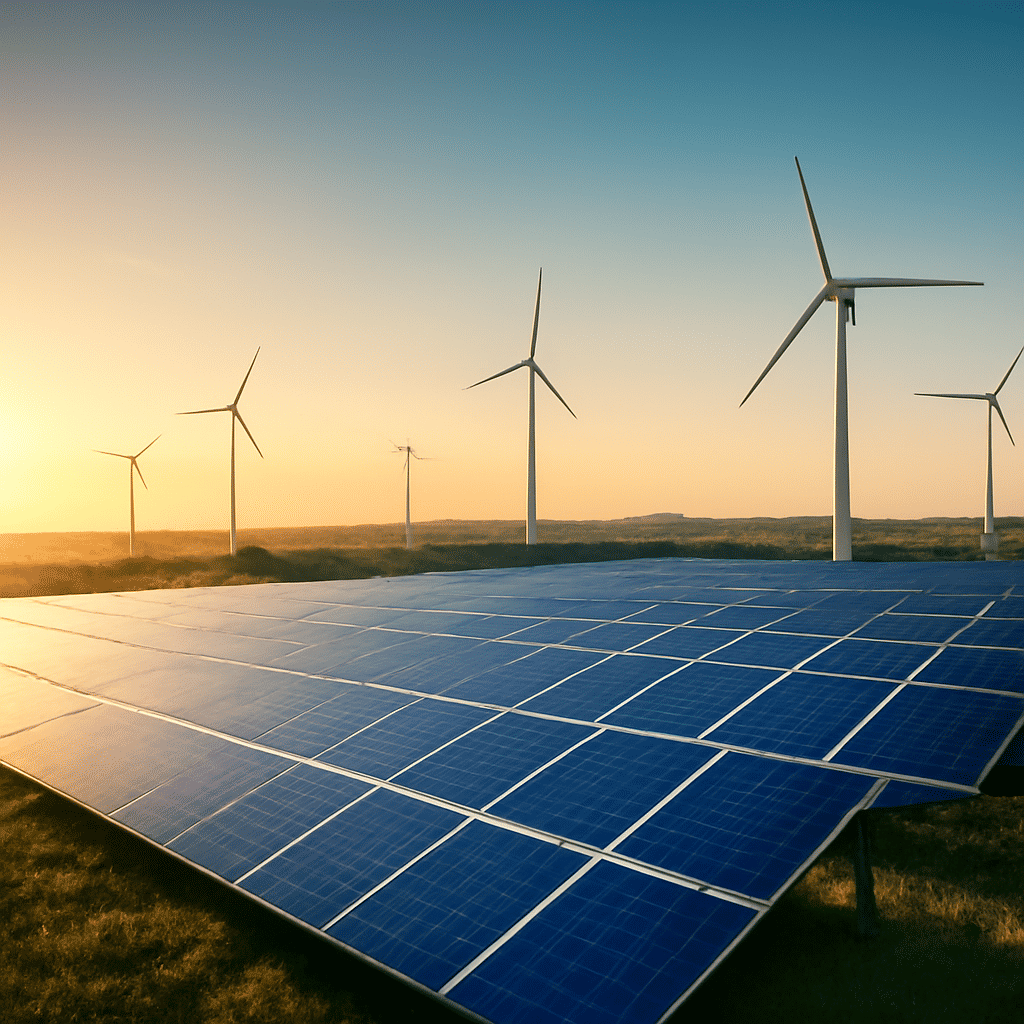
Renewable energy technologies, including solar, wind, hydroelectric, and biomass, have made significant advancements, reducing costs and increasing efficiency. Solar power, for instance, has seen a dramatic decrease in costs due to advancements in photovoltaic technology and increased production scales. Innovations in solar cell design, such as the development of perovskite solar cells, are pushing the boundaries of efficiency and accessibility, making solar power a viable option for many regions previously deemed unsuitable.
Wind energy research has also taken impressive strides. The introduction of offshore wind farms has opened new expanses for energy generation, promising a more consistent energy supply due to stronger and more reliable winds at sea. Improved turbine technology and advanced materials have contributed to the growing feasibility of harnessing wind energy, allowing for the production of greater electric output while minimizing environmental impact.
Hydroelectric power remains a cornerstone of renewable energy strategies. Innovative approaches such as small-scale hydropower systems and pumped-storage hydropower are helping to mitigate the environmental concerns traditionally associated with large dams. These solutions not only expand the applicability of hydroelectric power but also ensure that communities can access clean energy without disrupting local ecosystems.
Biomass energy, derived from organic materials such as plants and waste, is another area experiencing a surge in research interest. Technologies that convert biomass into biofuels or pellets demonstrate potential in replacing conventional fuels for transportation and heating. Moreover, these processes often have additional benefits, such as waste reduction and soil improvement, contributing to a circular economy.
Beyond developing specific technologies, renewable energy research is actively exploring ways to integrate these renewable sources into existing grids. Energy storage solutions, such as advanced battery technologies and hydrogen storage, are critical in managing the intermittent nature of renewable energy. Innovations in smart grid technology help optimize energy distribution, ensuring that renewable energy can be seamlessly incorporated into the traditional energy grid.
The societal impact of advancing renewable energy cannot be overstated. By reducing reliance on fossil fuels, we not only cut down greenhouse gas emissions but also reduce air and water pollution, improve public health, and create economic opportunities in manufacturing, installation, and maintenance sectors. Furthermore, by diversifying energy sources and decentralizing energy production, communities can achieve greater energy independence and resilience.
Collaborative efforts across the globe continue to propel renewable energy research. Governments, academic institutions, and the private sector are joining forces to pool resources and share knowledge, ensuring the rapid development and deployment of renewable technologies. Policy initiatives, such as subsidies and tax incentives for renewable energy projects, are also pivotal in supporting this transition.
However, the journey towards a renewable energy-powered future is not without challenges. Political, social, and economic hurdles must be navigated carefully. Investments in infrastructure, policy reforms, and public education will play crucial roles in overcoming these barriers. Encouragingly, the tide is turning, and global attitudes towards renewable energy are shifting towards recognition of its necessity and benefits.
In conclusion, renewable energy research is at the forefront of efforts to combat climate change and foster environmental sustainability. Through innovative technologies and collaborative initiatives, renewable energy promises not only to reduce carbon emissions but also to revitalize economies and create healthier living spaces. As research advances and solutions become more universally accessible, the dream of a sustainable future is drawing ever closer to reality.