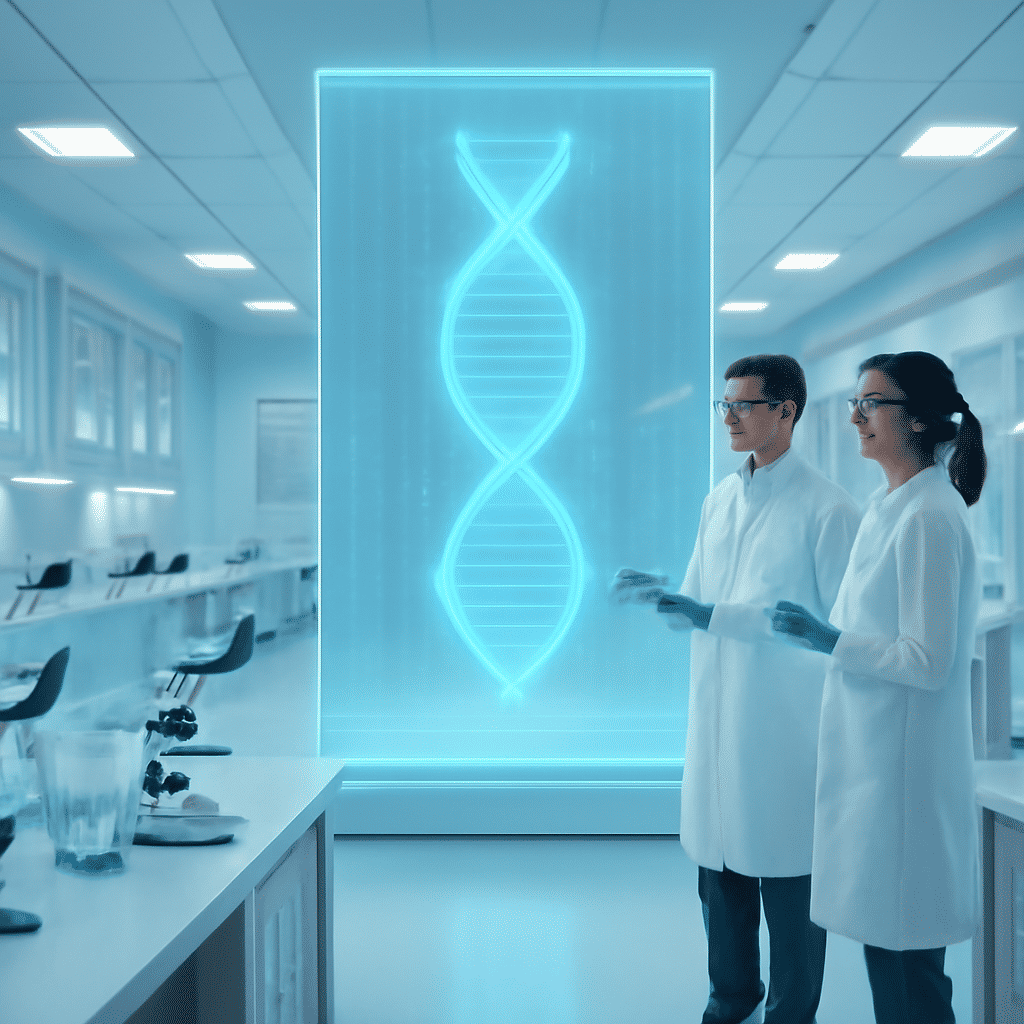
The advent of genome editing technology has heralded a new era in biological sciences, promising revolutionary advances in medicine and human health. This breakthrough technology, primarily driven by the discovery of CRISPR-Cas9, enables precise alterations to DNA, offering potential solutions where traditional treatments may fall short. As we stand at the cusp of this genetic revolution, it’s crucial to delve into its transformative potential and the complex ethical landscape it navigates.
Genome editing holds immense promise in eradicating hereditary diseases that have long plagued humanity. By enabling direct modification of the genes responsible for disorders like cystic fibrosis, sickle cell anemia, and Huntington's disease, scientists are moving closer to possibly eliminating these conditions entirely. Imagine a future where genetic conditions don't just get treated but are corrected at their root cause. Such possibilities exemplify the therapeutic potential of genome editing, offering hope to millions affected worldwide.
In the realm of somatic cell editing, where changes are made to non-reproductive cells, substantial progress has been made. Clinical trials are underway exploring treatments for cancers, muscular dystrophy, and even blindness caused by genetic factors. These therapies could extend lifespans and improve quality of life significantly, fundamentally altering our approach to health and disease. Furthermore, genome editing could enhance our understanding of complex diseases like Alzheimer's, providing insights that could lead to more effective interventions.
Beyond disease eradication, genome editing offers prospects for enhancing human health and capabilities. By tweaking genes responsible for various physical and cognitive traits, potential enhancements in intelligence, athletic ability, or even lifespan could be realized. While still largely theoretical and fraught with ethical considerations, the possibility of positively altering human potential cannot be ignored.
However, with great power comes great responsibility. The ability to edit the human genome raises profound ethical and moral questions. The prospect of 'designer babies,' where parents might choose desirable traits for their children, challenges our understanding of human diversity and equality. It also opens up debates on genetic privacy and the potential for genetic discrimination.
Moreover, the risks associated with genome editing need careful consideration. Off-target effects, where unintended genetic modifications occur, pose a significant challenge. The long-term impacts of genome modifications remain largely unknown, demanding rigorous scientific exploration and ethical scrutiny before widespread application.
The regulatory landscape plays a pivotal role in shaping the future of genome editing. Global cooperation and transparent discourse are essential in developing standards that prevent misuse while fostering innovation. Equitable access to these advances is another critical issue, as genome editing should not widen the health equity gap between different socio-economic groups.
In conclusion, genome editing stands as a beacon of hope and complexity in modern science. Its potential to eradicate diseases and enhance human health is matched only by the ethical and practical questions it poses. As we advance, it is imperative that scientists, ethicists, policymakers, and society at large engage in ongoing dialogue to navigate this evolving landscape responsibly. Only by doing so can we ensure that the benefits of genome editing serve all humanity, heralding a healthier, more equitable future.