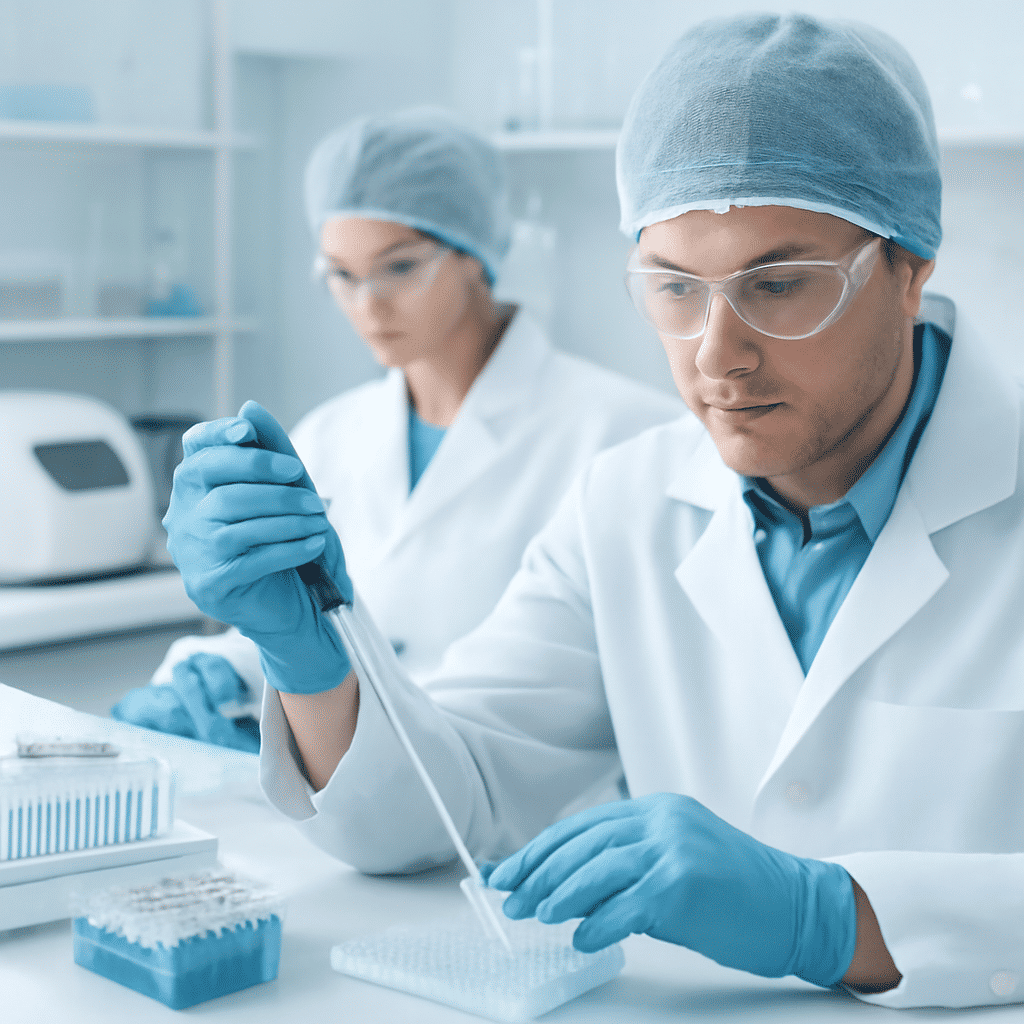
In recent years, significant advancements in medical research have linked peptides, the short chains of amino acids, to potential breakthroughs in repairing neural damage. These promising molecules are increasingly being viewed as the future of neural repair, providing new hope for individuals suffering from debilitating conditions such as Multiple Sclerosis (MS) and Amyotrophic Lateral Sclerosis (ALS).
Damage to neural tissue can lead to severe functional impairments, as seen in diseases like MS and ALS. Both conditions currently lack curative treatments, and existing therapies mainly focus on managing symptoms and slowing progression. However, peptides are emerging as a game-changing approach in regenerative medicine, owing to their capacity to promote repair and regeneration of neural structures.
Peptides hold the unique ability to interact with cellular mechanisms at a molecular level, influencing pathways that are crucial for neural growth and repair. For instance, certain peptides have been found to stimulate the production of neurotrophins – proteins that encourage the growth and survival of neurons. This attribute makes them particularly interesting for developing therapies aimed at repairing damaged nerve cells and improving the overall neural network.
Moreover, peptides can be engineered to possess high specificity and efficacy. Through advanced molecular techniques, researchers can design peptides tailored to target specific pathways involved in neural repair. This precision minimizes potential side effects, a significant advantage over traditional pharmaceuticals that often have a broader impact on the body.
Recent studies have shown promise in using peptides to repair myelin sheaths, the protective covering of nerve fibers that is damaged in MS. By enhancing remyelination, peptide treatments could potentially reverse some of the neurological deficits associated with the disease. Early-stage clinical trials are exploring various peptide candidates, which have demonstrated the ability to cross the blood-brain barrier and exert effects directly within the central nervous system.
In the case of ALS, where motor neuron degeneration leads to progressive muscle weakness, peptides are being investigated for their potential to protect neurons and even promote the growth of new neuronal connections. These developments hold significant promise, particularly for a condition that currently offers limited treatment options beyond supportive care.
Beyond direct neural repair, peptides also play a role in modulating immune responses, which is vital in diseases like MS, where the immune system erroneously attacks neural tissues. By influencing immune activity, peptides could help reduce inflammation and prevent further damage, complementing their regenerative capabilities.
Despite the promising potential and growing body of research, the journey from laboratory to bedside is complex. Peptide-based treatments must undergo rigorous testing for safety and efficacy in clinical trials before they can become widely available. Researchers are also exploring optimal delivery methods, such as injectable formulations or even peptide-infused hydrogels, to ensure that these treatments reach the affected areas of the brain or spinal cord.
As the field of regenerative medicine advances, peptides are poised to play a pivotal role in transforming the treatment landscape for neural damage. While much work remains to be done, the potential of peptides to revolutionize how we approach diseases like MS and ALS is increasingly clear. With ongoing research and development, this emerging therapeutic avenue may soon offer a beacon of hope for patients and families worldwide in need of innovative solutions for neural repair.